Auto Care Tips & Guides
Practical advice from our certified technicians to help you maintain your vehicle, save money, and stay safe on Ontario roads.
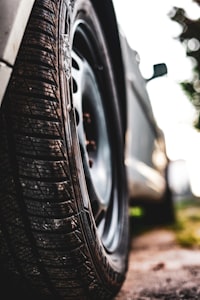
When to Switch to Winter Tires in Ontario — The Complete Guide
Every year, Ontario drivers ask the same question: when should I put on my winter tires? The answer is simple — when temperatures consistently drop below 7°C. Winter tires are made from a special rubber compound that stays soft and grippy in cold temperatures, while all-season tires harden and lose effectiveness.
Why 7°C is the Magic Number
All-season tires are designed to perform in temperatures above 7°C. Below that threshold, the rubber compound begins to harden, reducing grip on dry, wet, and icy roads alike. Winter tires, by contrast, remain pliable and maintain traction — a critical difference when you're braking on a cold Markham morning.
When to Install — Ontario Timing Guide
- ›Install winter tires in October — before the first freeze
- ›Remove winter tires in April — when consistent warm weather returns
- ›Don't wait for snow — cold temperature alone requires winter tires
- ›Insurance companies may reduce premiums for winter tire use
Winter Tire Myths Debunked
Myth: All-weather tires are just as good. All-weather tires are a good compromise, but dedicated winter tires still outperform them in severe conditions. If you drive frequently in heavy snow or on highways, dedicated winter tires are worth the investment.
Myth: AWD means I don't need winter tires. AWD helps you accelerate, but it does nothing for steering or braking. Winter tires improve all three — stopping distance can be reduced by up to 25% on icy roads with proper winter tires.

How Often Should You Really Change Your Oil? (The Truth in 2026)
The old "every 3,000 miles" rule is outdated. Modern vehicles with synthetic oil can go much longer between changes — but that doesn't mean you should wait too long. Here's what you actually need to know.
Oil Change Intervals by Vehicle Type
- ›Conventional oil: Every 5,000–8,000 km
- ›Synthetic blend: Every 8,000–12,000 km
- ›Full synthetic: Every 12,000–16,000 km
- ›Diesel engines: Varies — consult your manual
- ›EVs/Hybrids: Less frequent — check manufacturer specs
Signs You Need an Oil Change Now
Don't rely solely on mileage. Look for these warning signs: dark or dirty oil on the dipstick, a burning oil smell inside the cabin, the oil pressure warning light, increased engine noise or ticking, and decreased fuel economy.
The Cost of Skipping Oil Changes
Neglecting oil changes is one of the most expensive mistakes a driver can make. Dirty, degraded oil increases friction, accelerates engine wear, and can lead to premature engine failure — a $5,000+ repair that a regular $60 oil change would have prevented.

Winter Tires in Markham, ON: Everything You Need to Know (2026 Guide)
If you drive in Markham or anywhere in the GTA, winter tires are one of the most important investments you can make for your safety. Switch to winter tires when temperatures consistently drop below 7°C — all-season tires harden in the cold and lose grip, while winter tires stay pliable and maintain traction.
When to Install Winter Tires in Markham
- ›Install: Mid to late October — before the first freeze
- ›Remove: Mid April — when consistent warm weather returns
- ›Don't wait for snow — cold temperature alone requires winter tires
- ›GTA tip: shops book up fast in October — call ahead
Does Ontario Law Require Winter Tires?
Ontario does not legally mandate winter tires for passenger vehicles — unlike Quebec. However, many Ontario insurance companies offer a 2-5% premium discount when you notify them of winter tire installation. That discount offsets a significant portion of the cost over time.
Best Winter Tire Brands for GTA Drivers
- ›Michelin X-Ice Snow — Best all-around, exceptional ice grip
- ›Bridgestone Blizzak WS90 — Outstanding on packed snow and ice
- ›Continental WinterContact SI — Great for SUVs and sedans
- ›Nokian Hakkapeliitta R5 — Made for extreme cold, perfect for Ontario winters
- ›Goodyear WinterCommand Ultra — Solid performance at a fair price
How Much Do Winter Tires Cost in Markham?
Budget tires: $90-$130 per tire. Mid-range: $130-$180 per tire. Premium (Michelin, Bridgestone): $180-$250 per tire. Installation and balancing adds $20-$30 per tire. At Markham Finest Auto, we quote the parts cost transparently before you commit.
Book Your Winter Tire Swap in Markham
Markham Finest Auto at 3 Laidlaw Blvd carries all major brands. Most swaps are done same-day. Call 905-471-0990 or book online.
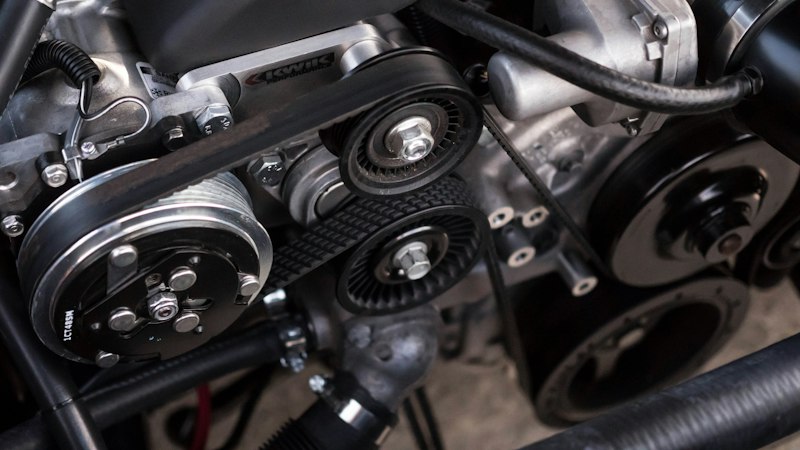
MTO Safety Inspection Ontario: Complete Checklist & What to Expect (2026)
Whether you are buying a used car, selling a vehicle, or re-licensing one that has been off the road, an MTO safety inspection is a mandatory step in Ontario. It must be conducted by a licensed Motor Vehicle Inspection Station (MVIS) — like Markham Finest Auto — and results in a Safety Standards Certificate if your vehicle passes.
When Do You Need a Safety Standards Certificate?
- ›Buying or selling a used vehicle in Ontario
- ›Re-registering a vehicle that has been off the road
- ›Transferring ownership of a vehicle
- ›Importing a vehicle into Ontario from another province
What Does the MTO Safety Inspection Check?
- ›Brakes — pad thickness, rotors, lines, parking brake, ABS
- ›Steering & Suspension — ball joints, tie rods, shocks, wheel bearings
- ›Tires & Wheels — minimum 2.5mm tread, no bulges or damage
- ›Lights — all headlights, tail lights, signals, hazards, plate light
- ›Windshield & Visibility — no cracks in driver sight line, wipers, mirrors
- ›Body & Frame — door latches, hood latch, exhaust, no significant rust
- ›Seatbelts — all must latch and retract properly
Most Common Reasons for Failing in Markham
- ›Worn brake pads or rotors
- ›Tire tread below minimum — especially after a hard winter
- ›Cracked windshield in driver sight line
- ›Burned out bulbs — tail light, brake light, plate light
- ›Rust on frame or brake lines — common on older Ontario vehicles
- ›Check engine light on
Cost and Timing
A safety inspection at Markham Finest Auto takes 1.5 to 2 hours and costs $90 to $130. The Safety Standards Certificate is valid for 36 days from issue date. If your vehicle fails, you have 36 days to repair and return for a re-inspection.
How Often Should You Change Your Oil? A Markham Driver's Guide (2026)
The old 3,000-mile rule is outdated. Modern engines and synthetic oils have changed oil change intervals significantly. Here is what Markham drivers actually need to know.
Oil Change Intervals — Quick Reference
- ›Conventional oil: Every 5,000-8,000 km
- ›Synthetic blend: Every 8,000-10,000 km
- ›Full synthetic: Every 12,000-16,000 km
- ›Oil life monitor: Follow the monitor if your car has one
Why Ontario Driving Conditions Matter
Most manufacturers classify Ontario driving as severe conditions — short trips under 16 km, stop-and-go traffic on Hwy 7 and Kennedy Rd, and extreme cold starts below -20°C all degrade oil faster. City drivers in Markham should lean toward the shorter end of the recommended interval.
Conventional vs Synthetic Oil
- ›Conventional oil: $45-$70 per change — best for older vehicles
- ›Synthetic blend: $65-$90 per change — good mid-range option
- ›Full synthetic: $80-$120 per change — best for modern engines and Ontario winters
- ›Full synthetic recommended for most Markham drivers
Warning Signs Your Oil Needs Changing Now
- ›Oil change indicator light is on
- ›Oil looks dark or black on the dipstick
- ›Engine sounds louder than usual
- ›Burning oil smell inside the car
- ›More than 12 months since last change
At Markham Finest Auto, every oil change includes oil, filter, fluid top-ups, tire pressure check, and a visual inspection — no hidden fees. Walk-ins welcome at 3 Laidlaw Blvd, Markham. Call 905-471-0990.
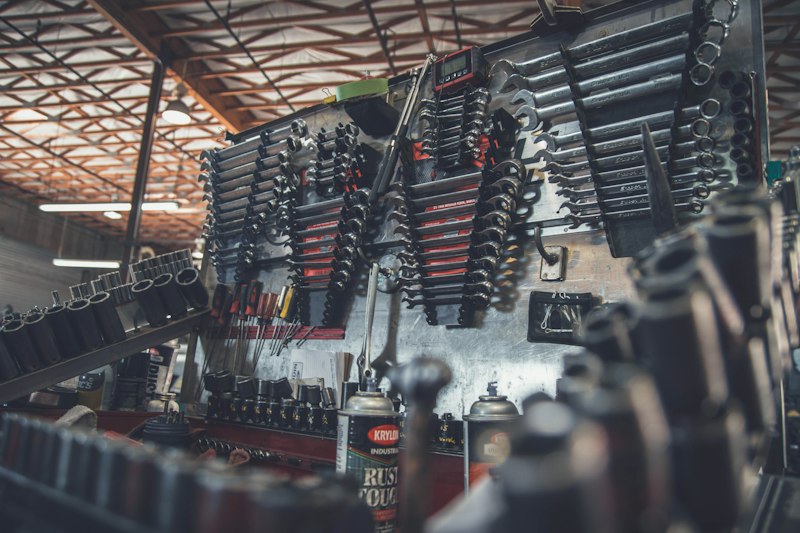
How to Find an Honest Mechanic in Markham, ON (And Red Flags to Avoid)
Two-thirds of Canadian drivers say they do not fully trust their mechanic. That is not surprising — car repairs are expensive and most people cannot verify whether work is actually needed. But honest mechanics do exist in Markham. Here is how to find one.
7 Signs of an Honest Mechanic in Markham
- ›They show you the problem — not just describe it
- ›They give you a written estimate before starting any work
- ›They order parts in front of you — we call the supplier on speaker phone
- ›They explain work in plain language without pressure
- ›They tell you what can wait vs what needs attention now
- ›They have consistent pricing — quote matches the invoice
- ›They have 50+ detailed Google reviews from real local customers
Red Flags: Signs of a Mechanic to Avoid
- ›Pressure to decide immediately
- ›Vague diagnosis without seeing the car
- ›Refuses to return old replaced parts
- ›No written estimate before work begins
- ›Long list of urgent repairs discovered once your car is in the shop
- ›Cash only, no receipt
What Markham Drivers Say About Us
"They order the parts on speaker phone in front of you, so you hear what the cost of the part is directly from the wholesaler. They charge very nominal labour." — Mun Sharma, Local Guide
"This is a relationship built over 13 YEARS. Anil and Tushan have become more like family — my family car doctors. Trust, quality, and honesty at every visit." — Ali Noor
Markham Finest Auto has been serving Markham drivers since 2013. Visit us at 3 Laidlaw Blvd, Unit 1, Markham — walk-ins welcome.

Brake Repair Cost in Markham, Ontario — What's a Fair Price? (2026)
Brakes are the most safety-critical system on your vehicle. Here are real 2026 brake repair prices in Markham so you know what a fair quote looks like.
Brake Repair Pricing in Markham, ON (2026)
- ›Brake pad replacement only: $120-$200 per axle
- ›Brake pad + rotor replacement: $250-$450 per axle
- ›Brake rotor resurfacing: $60-$100
- ›Brake caliper replacement: $200-$400 per caliper
- ›Brake fluid flush: $80-$120
- ›Full brake job (all four corners): $500-$900
Warning Signs You Need Brake Service Now
- ›Squealing or squeaking — wear indicators telling you pads are low
- ›Grinding metal-on-metal — pads gone, rotors being damaged. Fix immediately.
- ›Soft or spongy pedal — air in lines or brake fluid leak
- ›Vehicle pulls to one side when braking — sticking caliper
- ›Vibration when braking — warped rotors
- ›Brake warning light on dashboard
How Long Do Brakes Last in Ontario?
- ›Brake pads city driving: 30,000-50,000 km
- ›Brake pads highway: 60,000-80,000 km
- ›Brake rotors: 60,000-100,000 km
- ›Brake fluid: Every 2-3 years
At Markham Finest Auto, brake inspections are free — we put your car on the hoist and tell you exactly what we see with no obligation. Call 905-471-0990 or visit 3 Laidlaw Blvd, Markham.
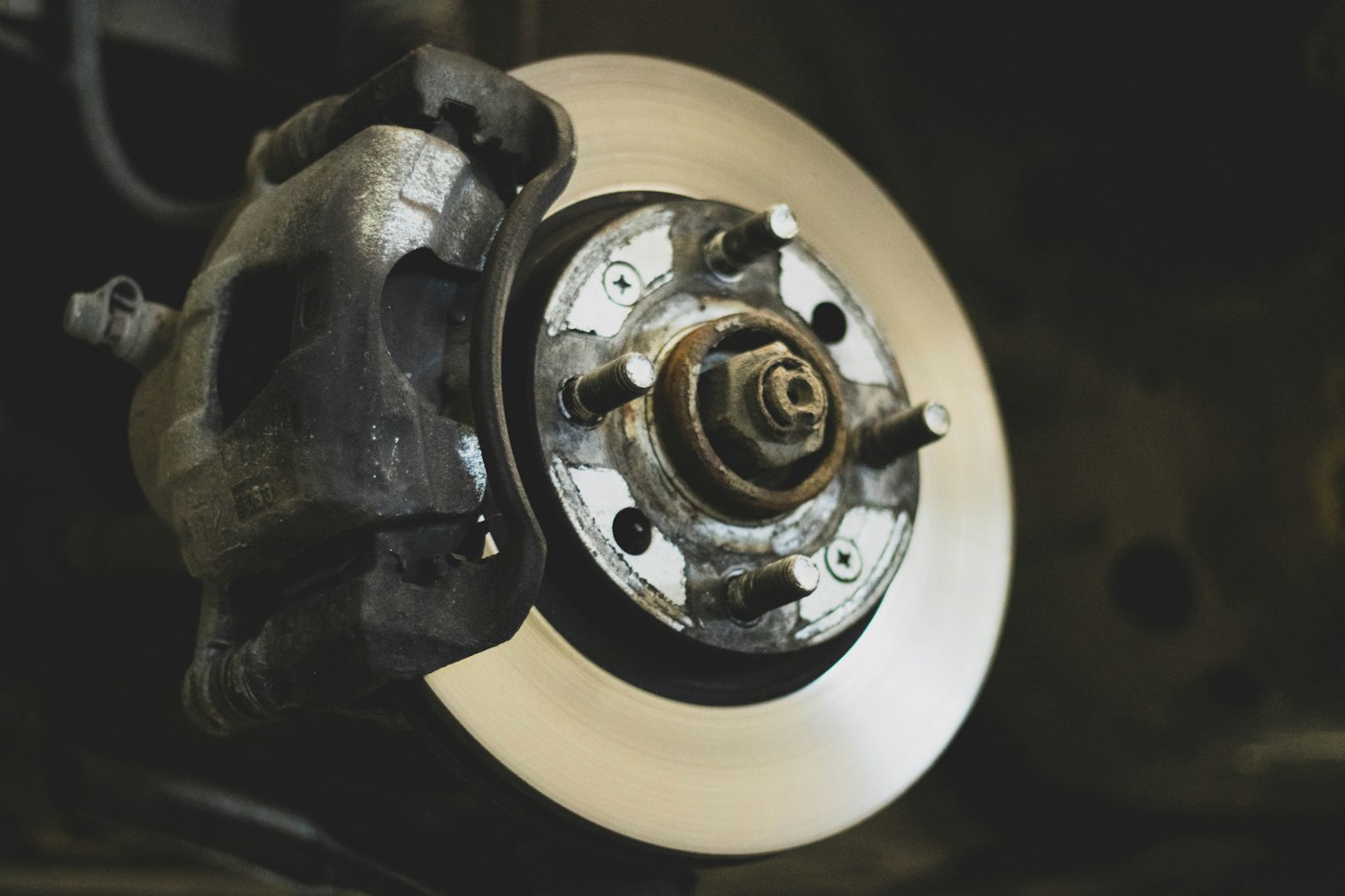
5 Warning Signs Your Brakes Need Immediate Attention
Your brakes are the single most critical safety system in your vehicle. Ignoring brake problems puts you, your passengers, and everyone on the road at risk. Here are five signs that mean you need to book a brake inspection immediately.
1. Squealing or Screeching Sounds
That high-pitched squeal is actually a built-in warning system — small metal wear indicators on your brake pads that contact the rotor when pads get thin. Don't ignore this sound. You likely have weeks, not months, before the pads wear completely through.
2. Grinding Noise When Braking
Grinding is more serious than squealing. It means your brake pads have worn through completely and metal is contacting metal. Your rotors are being damaged with every stop. Get to a shop immediately.
3. Vehicle Pulls to One Side When Braking
If your car veers left or right during braking, one brake caliper may be sticking. This causes uneven braking force — dangerous, especially at highway speeds.
4. Soft or Spongy Brake Pedal
A pedal that sinks further than normal or feels soft could indicate air in the brake lines or a brake fluid leak. This is a serious issue that can result in complete brake failure.
5. Vibration or Pulsing When Braking
Pulsing or vibrating through the brake pedal typically indicates warped rotors — usually caused by overheating from heavy braking or driving with worn pads for too long.
Same-day appointments available. Our team is ready to help.
Book Online